
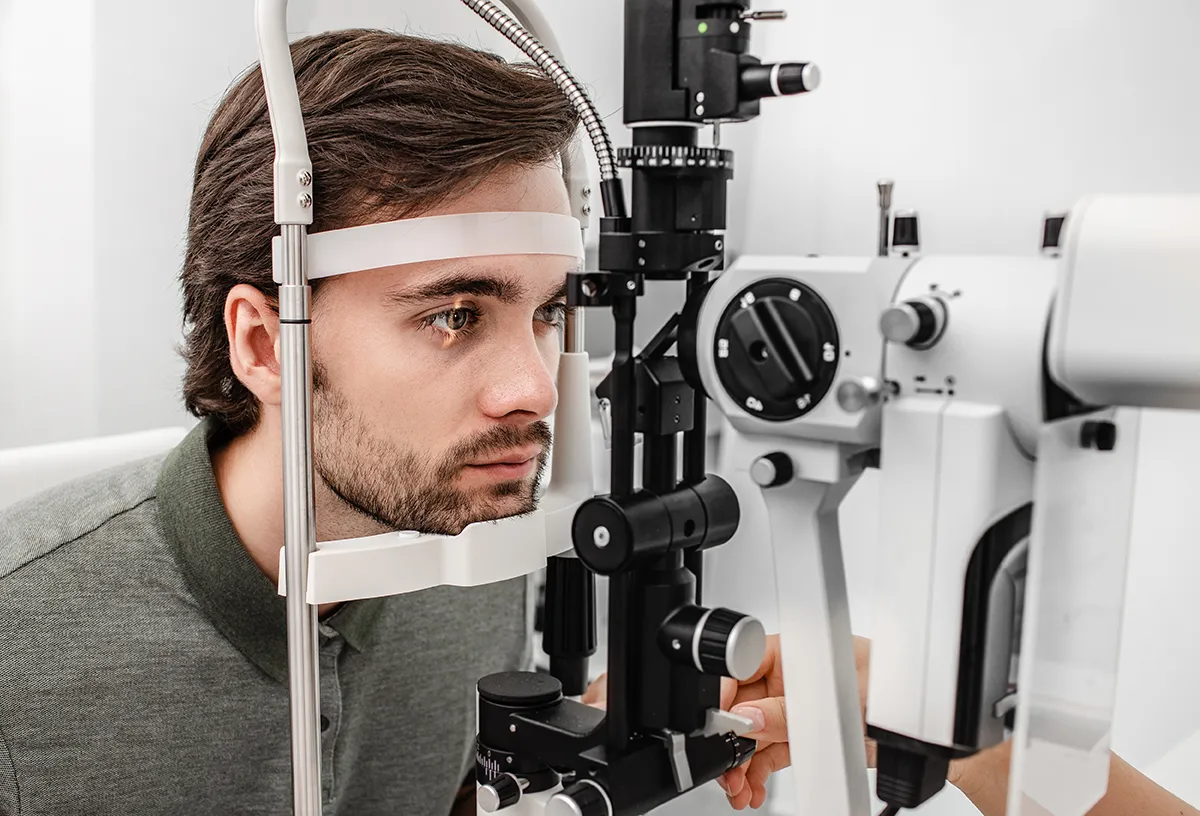
Regular eye exams are one of the best ways to protect your vision and catch eye problems early. At Bailey Cove Eye Care, we provide comprehensive eye exams in Huntsville for adults and kids ages 6 months and older. Whether you wear glasses, contact lenses, or have never had vision problems, routine exams help detect issues before they impact your eyesight.
In this blog, we share how often children, adults, and seniors should have their eyes checked. We also discuss risk factors that may require more frequent visits, and why consistent eye care is critical for maintaining optimal eye health.
How often should you get an eye exam?
The American Optometric Association (AOA) recommends scheduling regular eye exams based on your age and risk factors1. Following these guidelines helps detect vision issues early and protect your long-term eye health.
Children
Kids don’t always know when they’re struggling with their vision; they may assume everyone sees the same way they do. Routine pediatric eye exams are essential for detecting conditions like amblyopia (lazy eye) or myopia before they interfere with learning and development.
The AOA recommends the following schedule for children’s eye exams:
- First eye exam: Between 6 and 12 months old
- Second exam: Between 3 and 5 years old
- Before starting school: Another exam before first grade
- After that: Annually, or as recommended by your eye doctor
At Bailey Cove Eye Care, we provide children’s eye exams starting at 6 months old, so you can feel confident your child’s vision is on track.
Adults (18–39 years)
Even if you have clear vision, it’s important to schedule regular eye exams. Eye diseases often develop silently without noticeable symptoms. Adults should follow this schedule:
- Every two years if you have no vision problems and are low risk
- Every year if you wear glasses or contacts or experience vision changes
Adults (40–64 years)
By your 40s, age-related changes like presbyopia (difficulty focusing up close) and early signs of eye diseases can appear. Routine eye exams detect eye conditions early when they are most treatable:
- Every two years for low-risk adults
- Every year if you have risk factors or wear corrective lenses
Seniors (65 and older)
Older adults have an increased risk of cataracts, macular degeneration, and glaucoma. Annual eye exams are recommended to detect these conditions early.
When you may need more frequent eye examinations
Certain factors mean you should visit an eye doctor more often, including:
- Diabetes, high blood pressure, or other systemic conditions
- A family history of glaucoma, macular degeneration, or other eye diseases
- Frequent headaches, eye strain, or blurred vision
- Extended screen time or visually demanding work
The importance of regular comprehensive eye exams
Eye conditions can develop gradually without noticeable symptoms. For example, glaucoma can cause permanent vision loss before you realize there’s a problem. Comprehensive exams allow our eye doctors to detect issues early, when treatment is most effective, so you can maintain clear, healthy vision.
Why choose Bailey Cove Eye Care?
You deserve personalized, expert eye care in a space where your comfort comes first. Here’s what sets Bailey Cove Eye Care apart:
- Comprehensive eye exams for the whole family, including infants as young as 6 months
- Advanced in-office dry eye treatment that targets the underlying causes, not just the symptoms
- State-of-the-art technology for early detection of eye diseases
- CareCredit financing options to make eye care affordable
- Convenient scheduling and a patient-focused experience
- A wide range of insurance plans accepted
Schedule an eye exam today
Don’t wait until you notice a problem; keep your eyes healthy with routine care. Call Bailey Cove Eye Care in Huntsville or schedule your appointment online today.
References:
- (n.d.). Comprehensive eye exams. American Optometric Association. Retrieved August 22, 2025, from https://www.aoa.org/healthy-eyes/caring-for-your-eyes/eye-exams